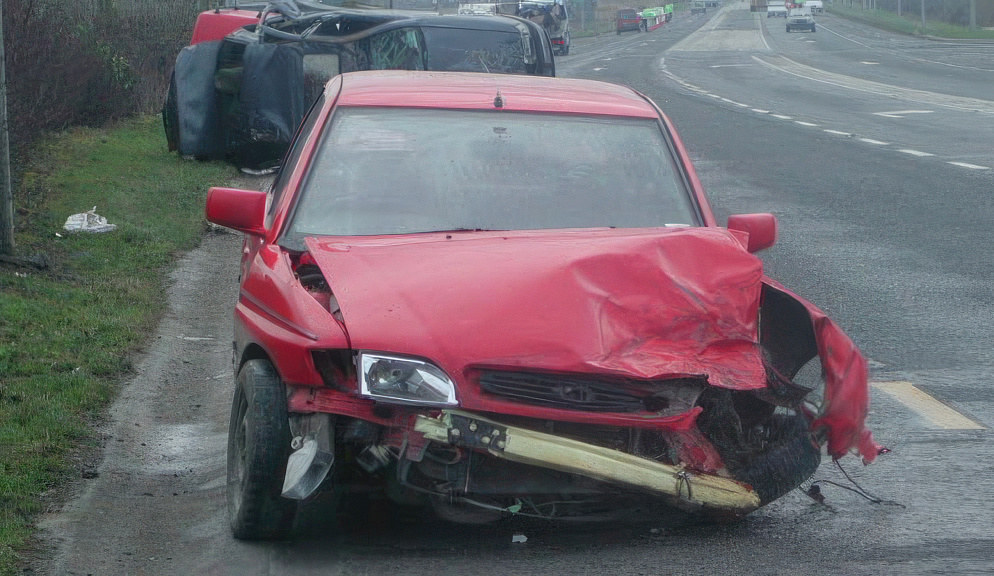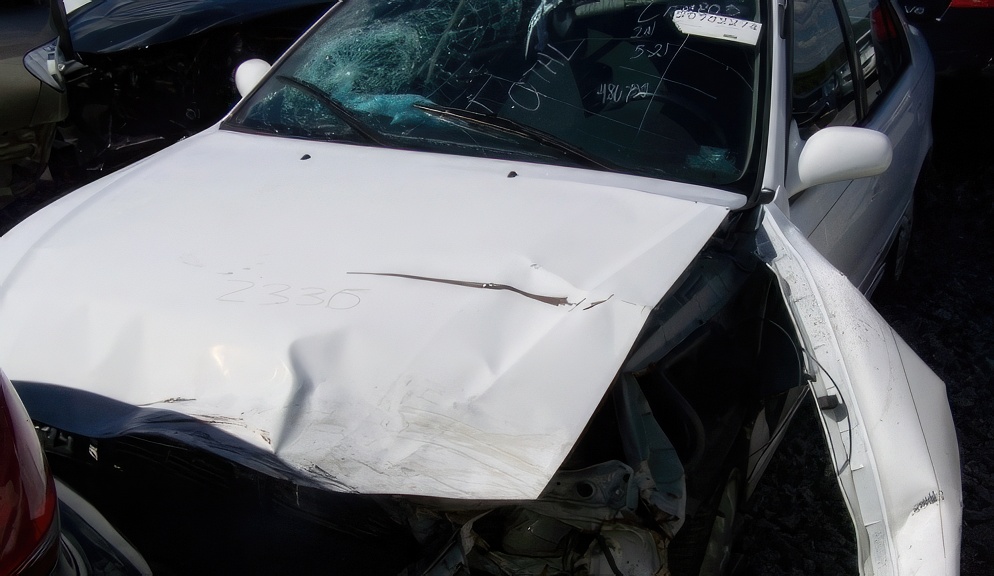
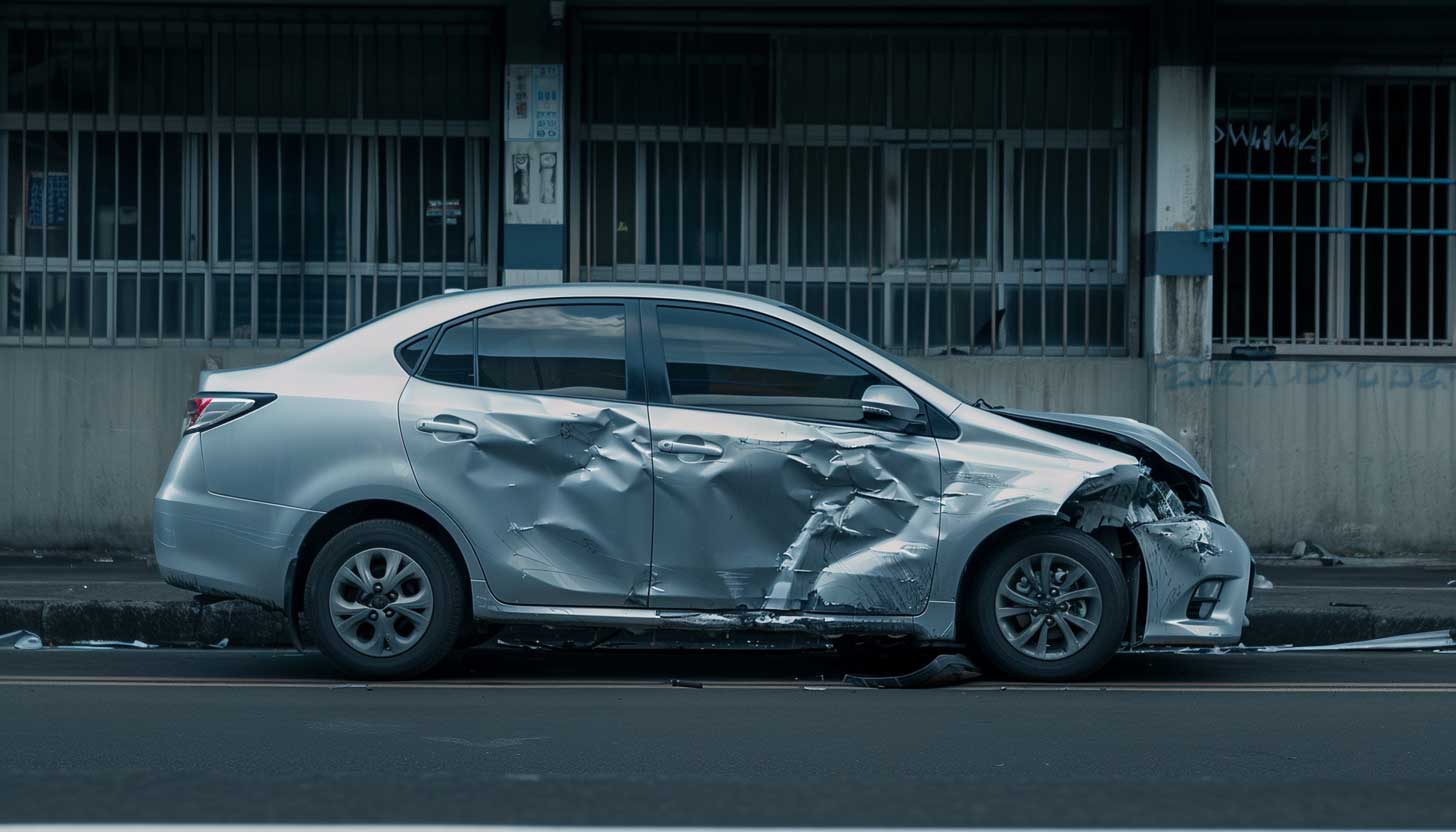
Many vehicle owners know their car may lose value after an accident, but they are not always sure how to measure that loss. Even when repairs are completed correctly, accident history can still reduce a vehicle’s resale value. Understanding how to calculate diminished value can help you estimate the financial impact of an accident before accepting an insurance settlement. Several factors can affect diminished value, including mileage, age, repair quality, severity of damage, and local market demand.
What Diminished Value Means
Diminished value is the difference between what a vehicle was worth before an accident and what it is worth after repairs are completed. Even if the vehicle looks and drives the same, buyers and dealerships may still see it as less valuable because of its accident history. This is why understanding how to calculate diminished value is important for anyone filing an insurance claim or planning to sell their vehicle in the future.
Inherent Diminished Value
Inherent diminished value is the most common type of value loss after an accident. It refers to the reduced resale value that happens simply because the vehicle now has an accident history. Even with professional repairs, most buyers are willing to pay less for a vehicle that has been involved in a collision.
Repair-Related Diminished Value
Repair-related diminished value happens when the quality of repairs affects the vehicle’s resale value. Mismatched paint, uneven panel gaps, aftermarket parts, and visible repair flaws can make a vehicle worth even less. Poor repairs can increase the amount of diminished value beyond what would normally be expected after an accident.
Factors That Affect How to Calculate Diminished Value
Vehicle Age and Mileage
Newer vehicles and low-mileage cars often lose more value after an accident. Buyers generally expect newer vehicles to be in excellent condition so that accident history can have a greater impact on resale price. Older vehicles with high mileage may still lose value, but the difference is often smaller.
Severity of Damage
The amount of damage plays a major role in calculating diminished value. Minor cosmetic repairs may slightly reduce value, while frame damage, airbag deployment, or structural repairs can cause much greater losses. Vehicles with major accident damage are often more difficult to sell and may receive lower trade-in offers.
Vehicle Make and Model
Luxury vehicles, sports cars, and high demand models often lose more value after an accident. Buyers of these vehicles are usually more concerned about condition and repair history. Popular models with strong resale value may also incur greater financial losses when accident history is reported.
Local Market Demand
Vehicle value can vary depending on local market conditions. In some areas, buyers may be more willing to purchase a repaired vehicle, while in other markets, accident history can significantly lower demand. Comparing your vehicle to similar repaired and unrepaired models in your area can help you better understand the actual market impact.
How to Calculate Diminished Value Step by Step
If you want to understand how to calculate diminished value, follow these basic steps:
- Determine the vehicle’s pre-accident market value.
- Review the severity and type of damage.
- Factor in the vehicle’s age, mileage, and condition.
- Compare your vehicle to similar repaired and unrepaired models for sale.
- Estimate the percentage of value lost because of the accident.
- Review whether the insurance company used a standard formula that may underestimate the true loss.
These steps help you get a general estimate of how much value your vehicle may have lost.
Tools That Can Make the Process Easier
Manual calculations can take time because they require market research, repair records, and comparable vehicle data. Many drivers choose to use online calculators or professional appraisal services to speed up the process. Automated tools can provide a quick estimate of diminished value based on vehicle details, accident severity, and market conditions. These tools are often useful for getting a starting point before filing a claim. However, complex cases involving major damage, luxury vehicles, or disputes with insurance companies may require a more detailed appraisal from an experienced professional.
Get a More Accurate Estimate of Your Vehicle’s Lost Value
Understanding how to calculate diminished value can help you make better decisions after an accident. By reviewing mileage, damage severity, repair quality, and market demand, you can get a clearer picture of what your vehicle may actually be worth. If you want a faster and more accurate estimate, contact Diminished Value Assessment (DVASSESS) for help calculating your diminished value claim.