
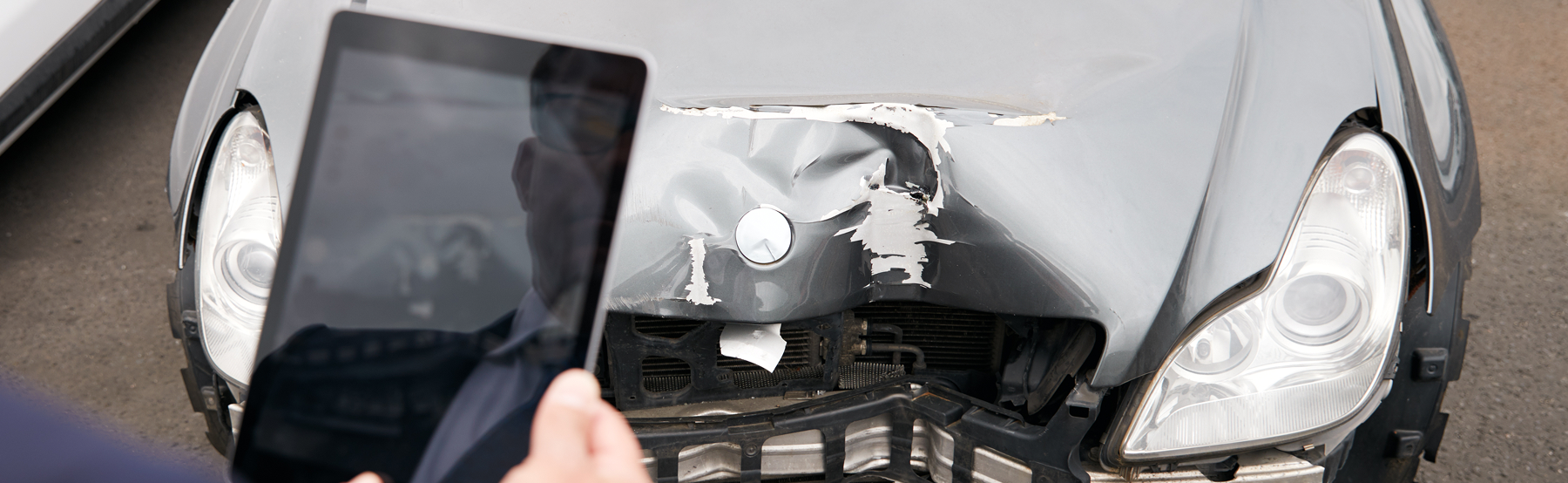
Category: Understanding Depreciation
-

What is The Difference Between Depreciation and Diminished Value?
Understanding and distinguishing between depreciation and diminished value is crucial for car owners. Depreciation is the inevitable, gradual reduction in a vehicle’s value due to factors like age, wear, and mileage. In contrast, diminished value is a sudden drop in a car’s value resulting from specific events like accidents or damage. While depreciation is a…
-

Who Pays Diminished Value?
When a car is damaged in an accident, its market value often decreases, even after repairs, a situation known as diminished value. Generally, the insurance company of the at-fault party is responsible for compensating this loss. However, in no-fault states, claiming diminished value can be challenging, requiring solid evidence like repair invoices and a professional…
-

Can You Ask For More Money When Your Car is Totaled?
This article provides guidance on handling insurance claims for a totaled vehicle, emphasizing the importance of understanding the insurance process and effectively negotiating for a fair settlement. It stresses the significance of researching your car’s value independently, using resources like Kelley Blue Book and local dealership prices. The article advises on preparing solid evidence and…
-

Finding the Right Attorney for Your Diminished Value Claim: Tips and Tricks
This guide focuses on selecting an ideal legal professional for navigating the complexities of diminished value claims, crucial post-vehicle accidents. It emphasizes the need for an attorney with specialized knowledge in insurance law and a track record of successful negotiations. The article highlights the importance of choosing an attorney with specific experience in diminished value…
-

What is the diminishing value of a car?
Understanding diminished value is crucial for car owners post-accident. This term refers to the loss in a vehicle’s market value due to its accident history, impacting future sales and insurance premiums. The article explores the mechanics of car depreciation and how accidents amplify this process. It also discusses the psychological impact of an accident on…
-

Diminished Value Requirements
Navigating a diminished value claim involves understanding the concept, meeting specific criteria, obtaining a detailed appraisal, meticulous documentation, and skilled negotiation with insurance companies. The claimant must typically not be at fault, with a vehicle insured under a policy that includes comprehensive or collision coverage. A professional appraisal is crucial, evaluating the vehicle’s make, model,…
-

How Long to File Diminished Value Claim
When dealing with a diminished value claim after a vehicle accident, it’s crucial to understand the statute of limitations, which varies by state. This legal time frame dictates how long you have to initiate legal proceedings and can range from two to five years, starting from the accident date. Additionally, your insurance policy may have…
-

How do You Negotiate a Diminished Value Claim?
Negotiating a diminished value claim successfully begins with thorough preparation, including a professional appraisal of your vehicle and collecting all relevant documentation like repair bills and the accident report. Understanding your insurance policy in detail is crucial. Initiate the claim with a clear presentation of your case, backed by your appraisal and supporting documents. Be…
-

How do Insurance Companies Determine The Value of a Wrecked Car?
In auto accidents, determining who covers the diminished value—a loss in a vehicle’s market value post-repair—is key. Typically, the at-fault driver’s insurance is responsible for compensating this value loss. However, the process can get complex in shared fault scenarios or no-fault states. Understanding your insurance policy, the role of state laws, and the process of…
-

Diminished Value Assessment
“Diminished Value Assessment: Navigating the Financial Impacts of Vehicle Accidents” In the complex world of vehicle ownership, accidents can significantly impact a car’s market value. Understanding the concept of diminished value is essential for vehicle owners, potential buyers, and insurance professionals. This guide delves into the intricacies of diminished value assessment, exploring various calculation methods…
Recent News

Categories
- Auto Industry Insights (37)
- Business (1)
- Car Ownership Tips (10)
- caw ownership tips (8)
- Claims Process (2)
- Consumer Rights (2)
- Diminished Value (38)
- Financial Advice (30)
- Financial Analysis (5)
- gal aspects (8)
- Insurance Claims (16)
- Legal Aspects (15)
- Legal Rights (5)
- lemon law (8)
- Understanding Depreciation (25)
- Vehicle Appraisal (35)
- Vehicle Condition Matters (24)
- Vehicle Negotiations (9)
- Vehicle Repair (1)

Learn More About Black Book
Black Book stands as a prominent source for automotive vehicle pricing and analytical tools, offering its extensive services to qualified industry professionals through various platforms including mobile, online, and Data as a Service applications. Established in 1955, Black Book has consistently adapted to meet its objective of providing vital information to its clients, coupled with the insights required to make informed decisions when buying, selling, or lending. Published daily by National Auto Research, a subsidiary of Hearst, Black Book operates offices in Georgia and Toronto, where the Canadian Black Book division is headquartered.
Get Your Instant Report
Option 1 – Basic
Option 2 – Plus